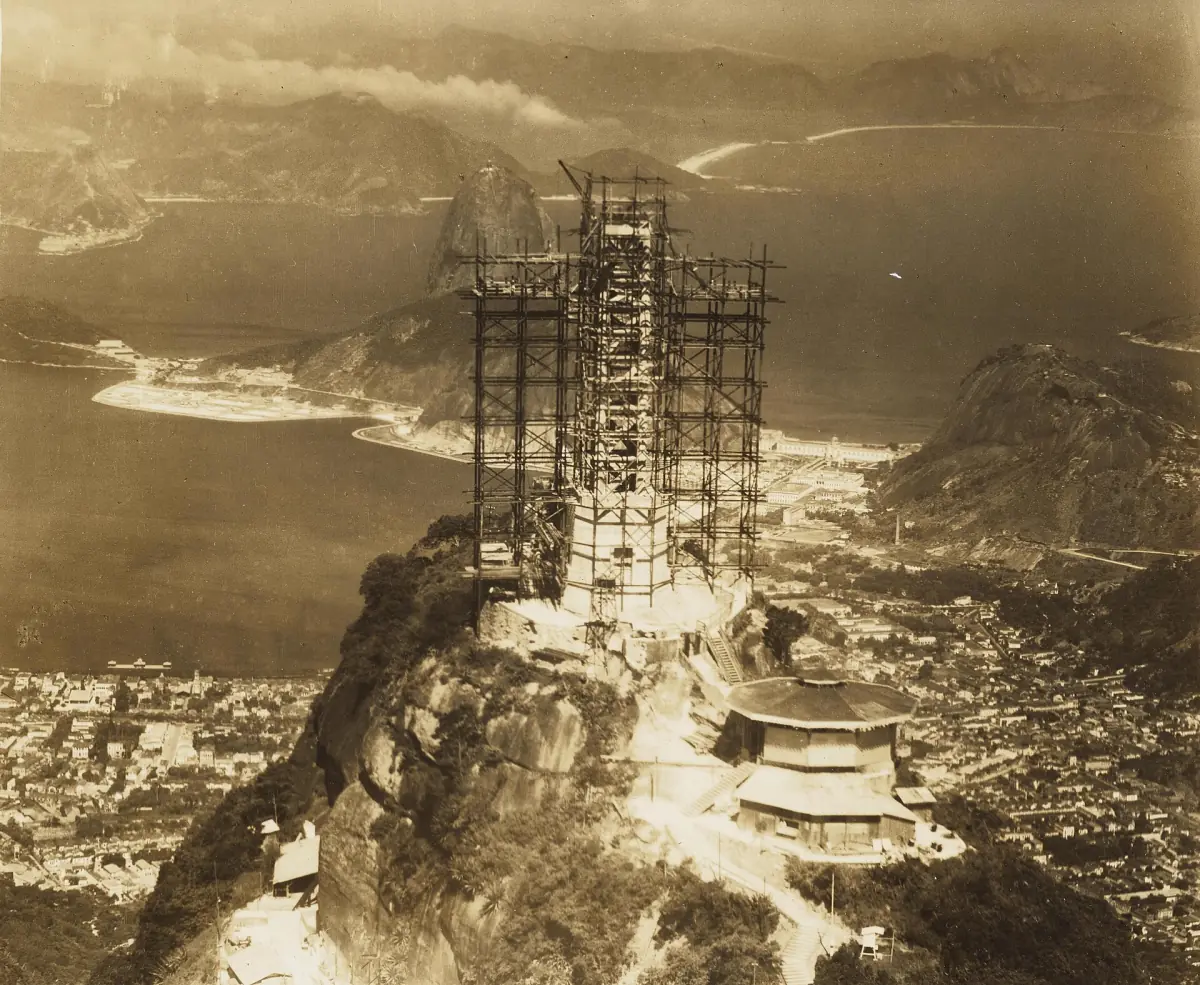
A statue built from donations
Christ the Redeemer was inaugurated on 12 October 1931. The park puts the building work at about five years. A Senate document dates the foundation stone to 1922 and the construction to 1922 to 1931. The two descriptions cover different things: a foundation, a design phase and the physical building are not the same stage.
The statue is a religious monument and a place of worship as well as a landmark. A chapel, Nossa Senhora Aparecida, stands at its foot and religious services take place there. This website is an independent guide and has no connection to the church or to the site operators.
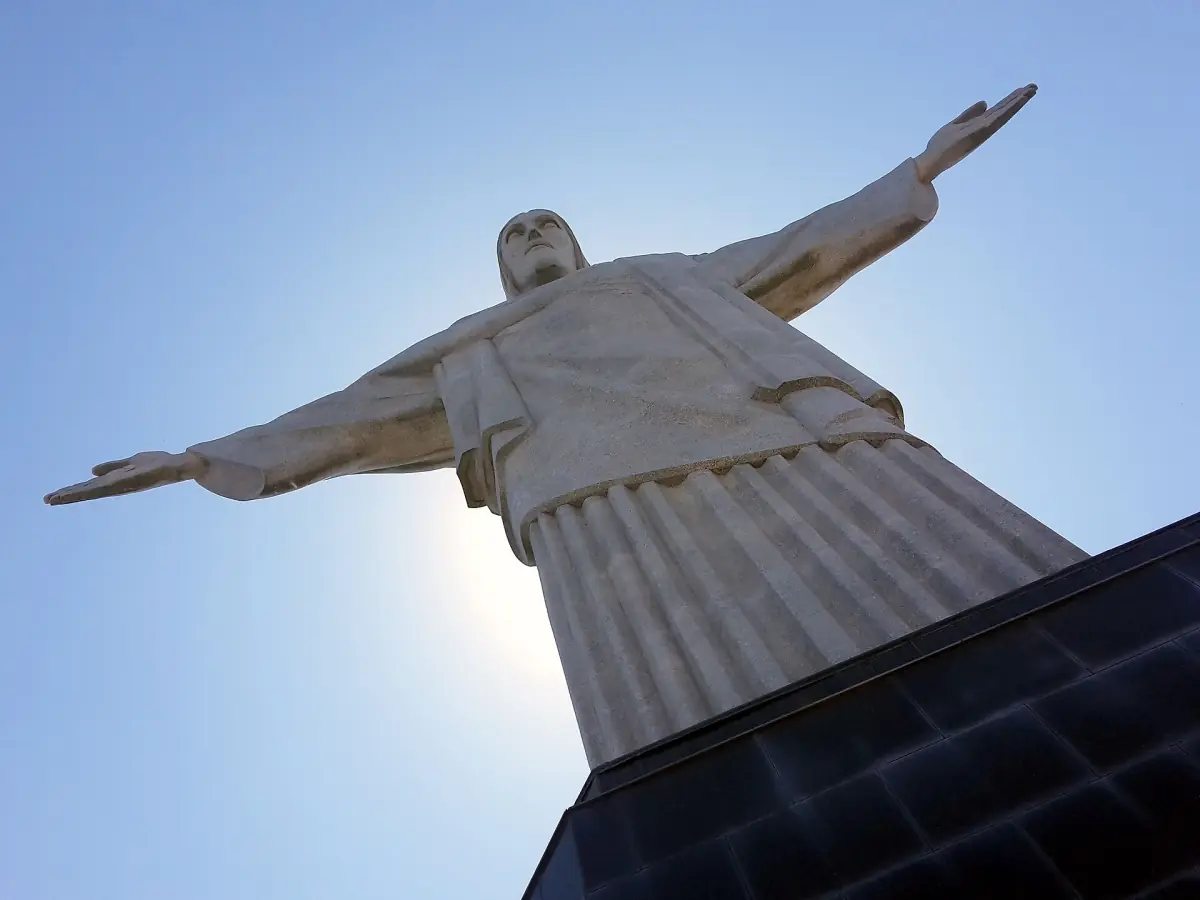
Who designed and built it
The people behind the statue.
Heitor da Silva Costa
The engineer Heitor da Silva Costa is named as the designer of the statue. He is the name most often tied to the project.
Paul Landowski and Albert Caquot
French artists and engineers worked on the project. The sculptor Paul Landowski and the engineer Albert Caquot are named as collaborators. The face is attributed to Gheorghe Leonida.
No gift from France
A popular story says that France gave the statue to Brazil. The city tourism office describes it differently: the statue was financed by donations and it rejects the gift story. French collaboration on the work is not the same as a gift from the French state.
When you read about the history, look at the date and at what a figure refers to. Numbers for the building time, the weight and the height of the mountain depend on what was measured or counted. This page therefore names where a statement comes from: the national park, the city tourism office or a Senate document.
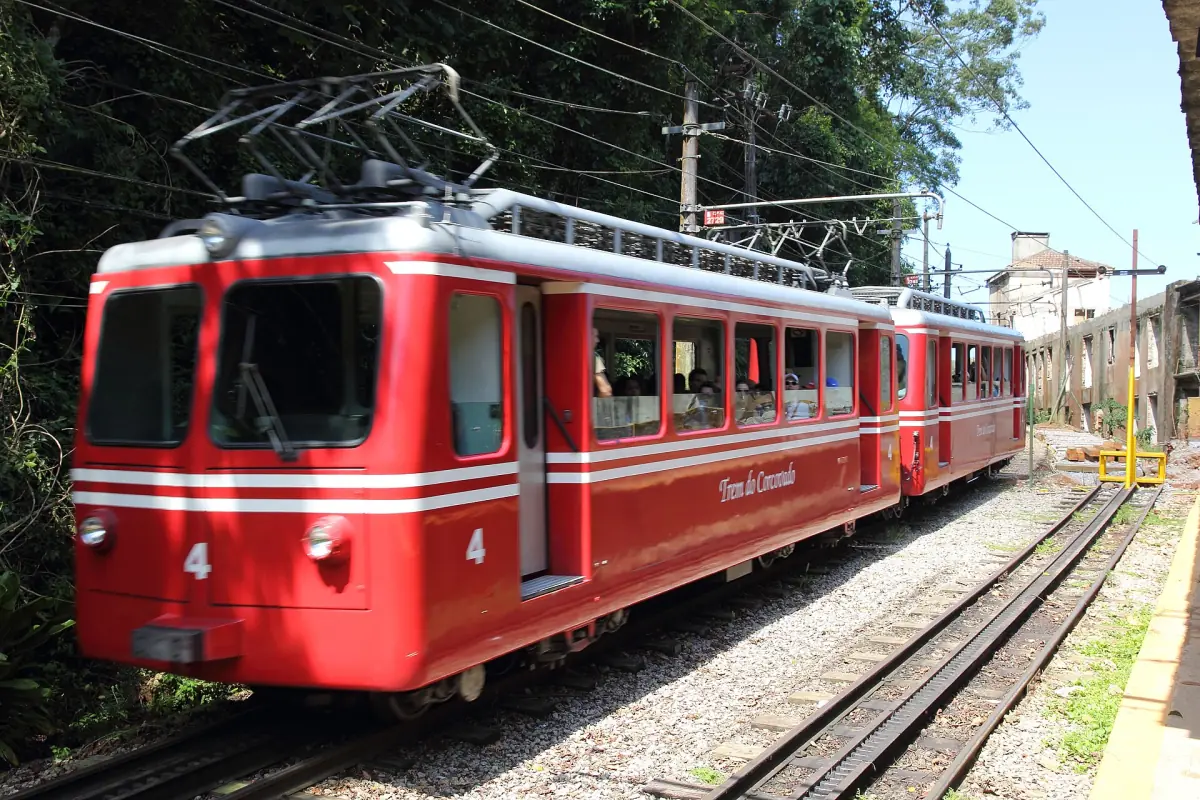
The time before the statue is part of the story, too. According to the park, the Corcovado was an important excursion even earlier. The railway of 1884 brought visitors up the mountain long before the monument was inaugurated in 1931. It still runs and is one of the ways up. How to use it is on the train page.
Visit the statue with a guide
Guided trips with transport and access to the monument, with live prices and availability.
Timeline
From the first visitors to the works of 2026.
| Date | Event | Note |
|---|---|---|
| 1884 | The Corcovado railway opens | Visitors already came to the mountain before the statue |
| 1922 | Foundation stone | Senate document; building dated 1922 to 1931 |
| 12 October 1931 | Inauguration | The park names about five years of building |
| 2007 | New Seven Wonders vote | This is not a UNESCO listing |
| 30 June 2010 | City report on the restoration | Renewed soapstone mosaic, cleaning, renewed joints |
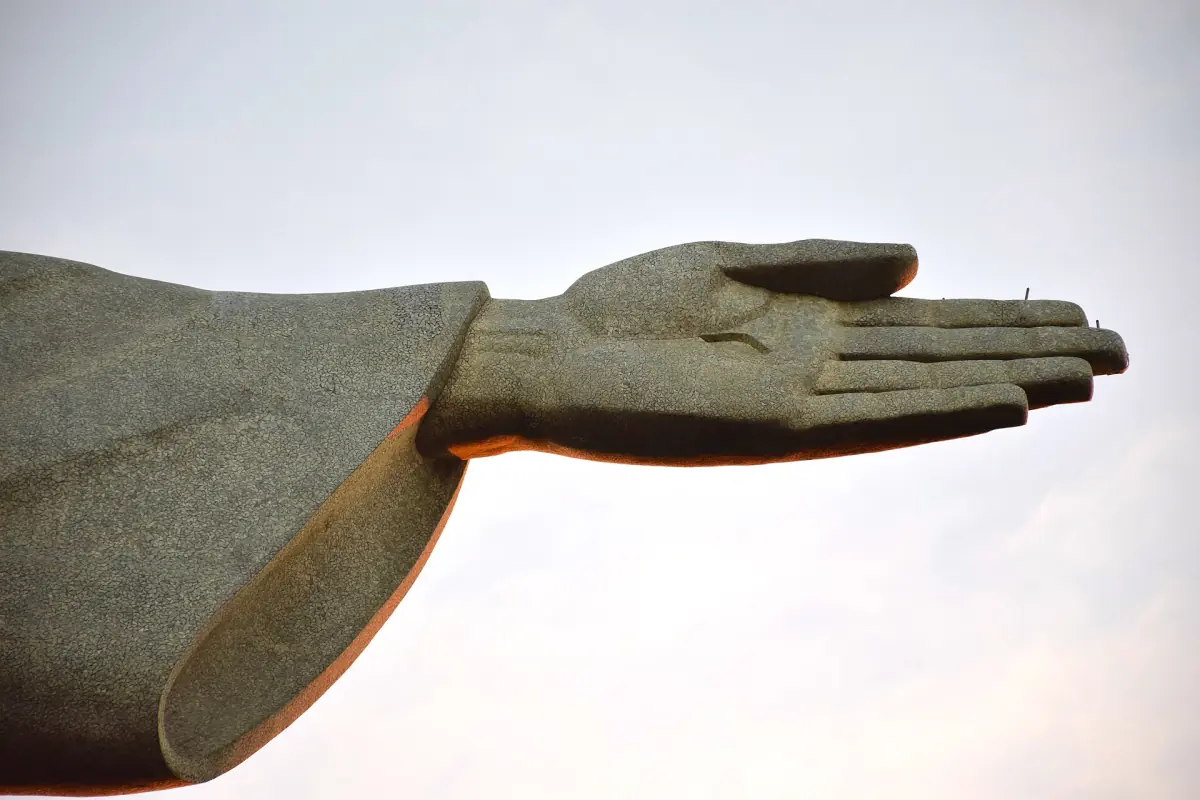
| January 2014 | Lightning damage | A finger of the right hand |
| 3 August 2026 | Escalator replacement begins | Planned to end in late May 2027 |
Restoration and repairs
What the records say.
The 2010 restoration
A city report dated 30 June 2010 documents a renewed soapstone mosaic, cleaning and renewed joints. It describes the state at that time and is not a current construction project.
Lightning in 2014
Lightning damaged a finger on the right hand in January 2014. This is a record of one event. No reliable figure for strikes per year is available, so treat claims about it with care.
The works of 2026
The current building site replaces the escalators and improves access to the monument. It is not a restoration of the statue itself. Since 3 August 2026 the escalators are out of service and the number of visitors at one time is cut by 50 percent. Read the Corcovado page for what that means for your visit.
History of Christ the Redeemer: frequently asked questions
When was Christ the Redeemer built?
It was inaugurated on 12 October 1931. The park names about five years of building. A Senate document dates the work to 1922 to 1931.
Who designed the statue?
The engineer Heitor da Silva Costa is named as the designer. The sculptor Paul Landowski and the engineer Albert Caquot worked with him. The face is attributed to Gheorghe Leonida.
Was the statue a gift from France?
No. The city tourism office describes it as financed by donations and rejects the gift story. French artists and engineers took part in the work.
Is it a UNESCO site?
No. The park names the 2007 vote for the New Seven Wonders. That is a popular vote and not a UNESCO listing.
When was it last restored?
A city report of 30 June 2010 documents the renewed soapstone mosaic. The works that began in August 2026 replace the escalators and are not a restoration of the statue.